Wollmatten bring a perfect blend of comfort, style, and natural warmth into any home. More than simple floor coverings, these beautifully crafted wool mats transform everyday spaces into welcoming havens. Imagine stepping onto a soft, plush surface that not only elevates the aesthetic appeal of your room but also offers the natural insulation, durability, and breathability that wool is known for. Each piece reflects thoughtful craftsmanship, sustainability, and timeless design whether you prefer lightweight, airy mats or dense, cushioned ones built to handle high foot traffic. As you explore the charm and versatility of Wollmatten, you’ll discover how they enrich your living environment with both practicality and artistic elegance, making every step feel like a warm embrace.
What Makes Wollmatten Unique
Wollmatten are created from pure sheep wool which gives them natural toughness elasticity and softness. They are free from artificial fibers and harmful chemicals so they remain gentle on the skin and safe for the environment. Wool fibers are naturally rich in lanolin which protects the material from moisture dirt and bacteria. This means your mat stays fresh and clean for long periods without demanding heavy maintenance.
The process of shaping these mats involves felting or weaving. Felting locks the wool fibers tightly so the mat becomes dense flexible and resilient. Weaving follows a pattern that creates strength and texture. Both processes bring out the best in wool so the final product stays strong and comfortable even after daily use. This is why Wollmatten are loved by families designers and eco conscious buyers.
Everyday Uses of Wollmatten in Homes
The beauty of Wollmatten is that they fit into every type of home from urban apartments to rural cottages. They offer softness underfoot and a natural appearance that blends with modern minimal interiors as well as rustic home styles. People use them as area rugs yoga mats hallway runners children play mats and even pet beds.
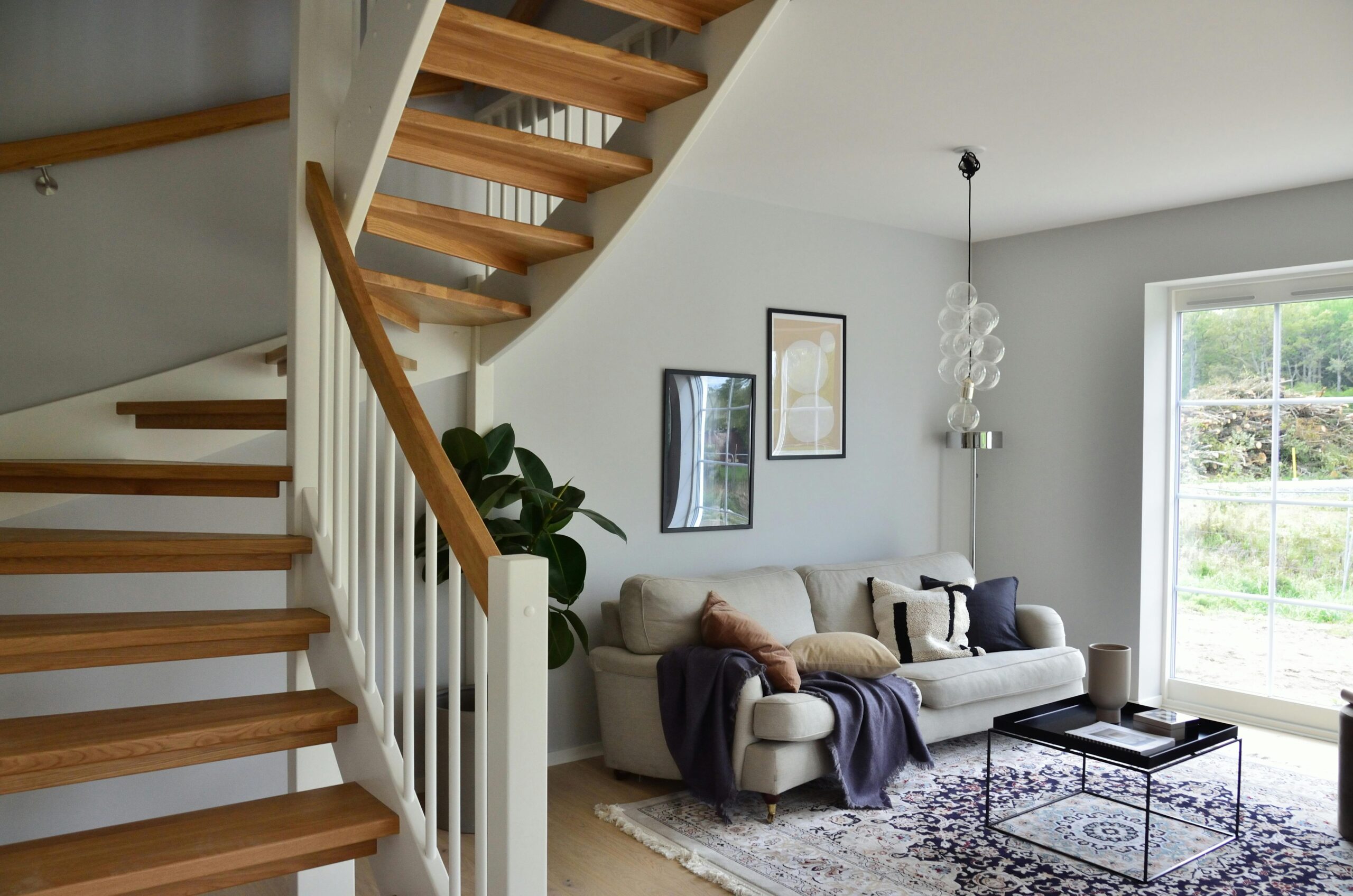
When placed in living rooms they create a warm inviting feel so the space becomes more relaxing. Bedrooms become cozier because wool keeps the room insulated and balanced. Many people choose them for meditation and yoga because wool gives a stable base and a soft natural grip without producing a synthetic smell. For babies and toddlers wool mats are safe because the surface is chemical free gentle and naturally resistant to dust and mites.
Pet owners appreciate how well these mats perform because wool does not trap odor easily. Pets enjoy the softness which keeps them warm in winter and cool in summer. The durability ensures the mat lasts even with daily pet use.
Wollmatten in Gardening and Farming
Beyond home use Wollmatten play a vital role in gardening and agriculture. They serve as natural soil covers that help protect plant roots. Gardeners use them because they retain soil moisture limit weed growth and regulate soil temperature. They also break down naturally over time which enriches the soil.
In farming Wollmatten support organic practices. Farmers lay them around young plants so the wool controls the ground temperature and prevents weed spread. When the mats complete their life cycle they decompose into the soil without leaving behind any harmful residue which makes them an ideal eco friendly choice.
Use of Wollmatten in Construction
Builders have discovered the potential of wool mats as a safe natural method of insulation. These mats are installed within walls floors and ceilings to keep indoor spaces warm in winter and cooler in summer. The fibers trap tiny pockets of air which makes wool an excellent natural insulator.
Construction teams appreciate how Wollmatten improve sound control as well. Rooms become quieter because wool absorbs sound waves. This makes the material suitable for offices recording rooms home studios or shared living spaces. The natural humidity balance of wool creates fresh air inside the home which reduces the chances of mold growth.
A real world example comes from a housing group in Freiburg Germany where residents replaced a section of their wall insulation with Wollmatten. When winter arrived they noticed that energy use dropped significantly because wool held the warmth inside the home. Freshness of air improved because the wool mats absorbed moisture from the room then released it slowly which prevented dampness.
Health and Environmental Benefits
Wool mats offer strong advantages for health and the environment. The fibers are breathable so they help regulate temperature which reduces the need for artificial heating or cooling. This lowers energy use and supports a sustainable lifestyle.
Wool is fully natural and biodegradable so it does not pollute the environment. When disposed of it returns to the earth safely which makes it one of the cleanest materials available. Wool also resists dust mites bacteria and odors. Because of this people with allergies or sensitive skin feel comfortable using Wollmatten inside their homes.
The surface is soft and chemical free so families with children prefer these mats for safe play areas. The natural cushioning helps absorb small impacts so kids can play freely. Adults who practice yoga or meditation enjoy the steady grip and balanced texture of wool which feels grounding and organic.
Aesthetic Appeal in Interior Design
Designers often recommend Wollmatten because they carry a natural warmth that enhances the character of any room. The texture of wool creates a calm inviting atmosphere. Earthy shades match wooden furniture neutral walls and minimalist décor styles. People who follow sustainable interior trends choose these mats because they show care for nature and responsible living.
Wool mats can be used as wall art due to their texture. Some designs feature patterns and color blends that highlight craftsmanship. They fit both modern and rustic themes so they offer flexibility to homeowners who want stylish pieces that also feel wholesome and natural.
Cultural Value and Traditional Roots
Wool has served communities for centuries. People from Europe Central Asia and the Middle East created wool carpets tent coverings and bedding because the fiber offered protection warmth and durability. Wollmatten carry this history into the modern world. They represent heritage and skill while meeting contemporary needs for sustainability.
Many households appreciate this link between past and present. When people bring natural wool mats into their homes they support a tradition that values resourcefulness patience and harmony with nature.
Challenges in Adopting Wollmatten
Although Wollmatten are rich in benefits they are not yet used worldwide. The main challenge is cost. Skilled craftsmanship and high quality raw wool increase the price. Synthetic mats are cheaper because they are mass produced with low quality materials.
Another challenge is performance in very wet conditions. Wool handles moisture well but constant wetness may reduce its life if basic care is ignored. Still with simple maintenance like occasional airing the mat stays strong.
Awareness is also limited in many regions. People who do not know about natural alternatives continue using synthetic mats because they have never explored options like Wollmatten.
Cultural Value and Traditional Roots
Wool has served communities for centuries. People from Europe Central Asia and the Middle East created wool carpets tent coverings and bedding because the fiber offered protection warmth and durability. Wollmatten carry this history into the modern world. They represent heritage and skill while meeting contemporary needs for sustainability.
Many households appreciate this link between past and present. When people bring natural wool mats into their homes they support a tradition that values resourcefulness patience and harmony with nature.
Challenges in Adopting Wollmatten
Although Wollmatten are rich in benefits they are not yet used worldwide. The main challenge is cost. Skilled craftsmanship and high quality raw wool increase the price. Synthetic mats are cheaper because they are mass produced with low quality materials.
Another challenge is performance in very wet conditions. Wool handles moisture well but constant wetness may reduce its life if basic care is ignored. Still with simple maintenance like occasional airing the mat stays strong.
Awareness is also limited in many regions. People who do not know about natural alternatives continue using synthetic mats because they have never explored options like Wollmatten.
The Future of Wollmatten
The future looks bright as more people choose natural materials. Eco friendly housing projects are rising which increases the demand for wool based insulation. Gardeners and organic farmers continue to use wool mats because they support soil health naturally. Designers use them for sustainable interior themes.
Future innovations may combine wool with other natural fibers like hemp jute or cotton to create new textures and stronger surfaces. With growing awareness production may scale up which can lower prices and make these mats accessible to everyone.
Conclusion
Wollmatten offer comfort wellness sustainability and beauty in one thoughtful product. They soften living spaces support natural gardening methods improve building insulation and connect us with a long tradition of wool craftsmanship. They show how small everyday choices can support a cleaner environment and a healthier lifestyle.
Choosing Wollmatten is not just about buying a mat. It is about living more naturally and creating a home that feels warm pure and responsible. These wool mats have timeless appeal and they continue to shape a future where natural materials matter more than ever.

Luna is a finance and crypto writer with 5+ years of experience simplifying blockchain, digital assets, and modern financial trends for readers. She breaks down complex Web3 topics with clarity and insight.