
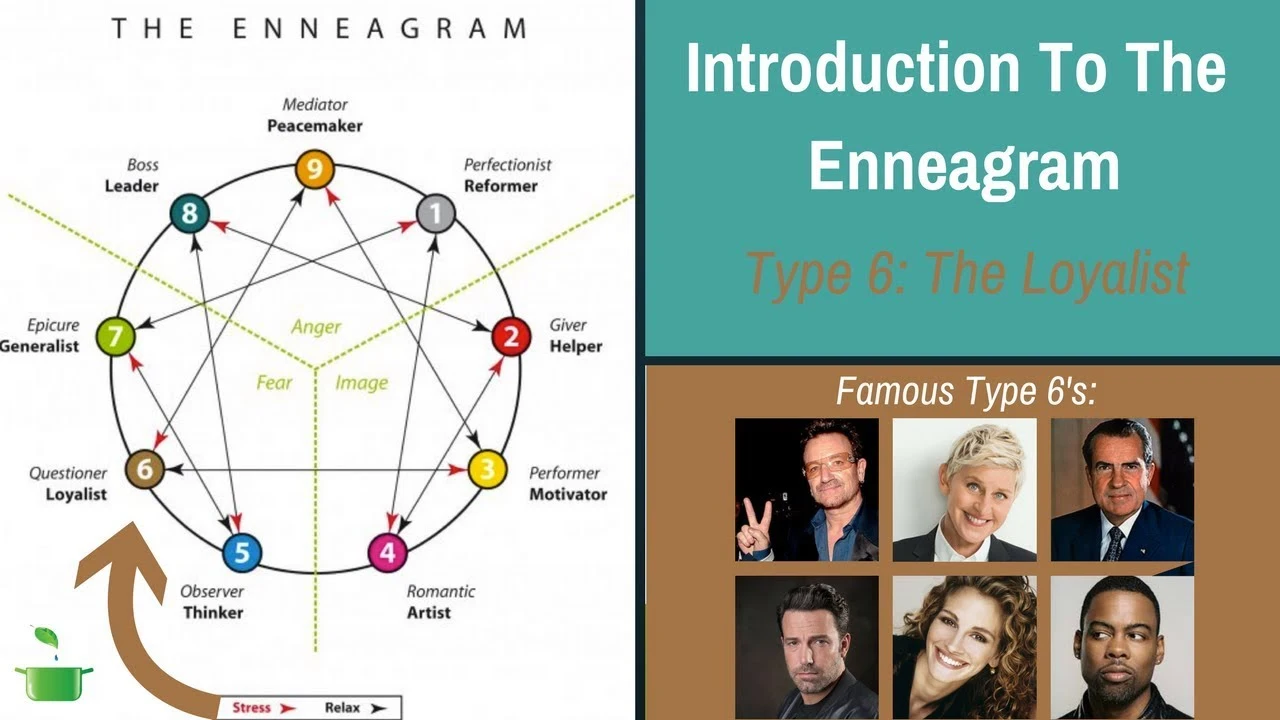
Understanding personality patterns can help us develop emotional resilience, confidence, and healthier relationships. One of the most unique and complex types is the bold enneagram 6, often known as the Loyalist. This type is defined by a desire for safety, dependable relationships, and stable systems. Whether someone identifies as an Enneagram 6 female, a Enneagram 6w5, or a Enneagram 6 wing 7, the core motivations are centered on trust, security, and preparedness. This guide explores the mindset, struggles, and strengths of Type Six and highlights how they can grow into their most grounded and courageous selves.
Type Six is known for loyalty, responsibility, and an exceptional ability to anticipate challenges. They are natural troubleshooters who recognize risks before others do and often protect their communities with strong devotion. However, this strength can become a source of stress when fear, doubt, or uncertainty begins to dominate their inner world. With healthy coping tools and a deeper understanding of their reactions, those who relate to Type Six can transform their worries into wisdom and their vigilance into courage.
The Mindset of the Loyalist
Individuals associated with the bold enneagram 6 tend to search for consistent structures, guidance, and trustworthy relationships. Their basic fear involves being left without support, while their basic desire is to find reliable security. This push-and-pull dynamic can cause internal conflict, creating moments of hesitation or reactivity. Yet, these same traits make them some of the most resilient, protective, and dedicated individuals in the Enneagram system.
Despite a strong intellect, Sixes may struggle to trust their own judgment. This leads many toward external authorities, mentors, or belief systems that provide stability. When they feel grounded, Sixes show remarkable clarity and determination. When stressed, however, they may question themselves, others, and even their own perceptions—creating an inner cycle of doubt. Recognizing this pattern helps them break free from unnecessary fear and instead develop confidence rooted in experience and intuition.
Growth Patterns and Stress Responses
Type Sixes often move between states of courage and fear. Under stress, they may display competitive or image-conscious behaviors similar to an Enneagram Three. When they are growing and finding internal peace, they adopt the calm, grounded nature associated with an Enneagram Nine. This shift helps soften their anxiety and encourages more trust in themselves and others.
The Enneagram 6w5 subtype, often called the Defender, tends to be analytical, private, and focused on gaining knowledge to feel secure. In contrast, the Enneagram 6 wing 7 subtype is more outgoing, warm, and enthusiastic, using positivity and planning to navigate uncertainty. Meanwhile, the Enneagram 6 wing 3 brings ambition, efficiency, and a desire to achieve, while the Enneagram 6 wing 2 adds compassion, helpfulness, and loyalty to loved ones.
Internal Contradictions and Emotional Complexity
One of the most distinctive features of the bold enneagram 6 is the presence of opposing traits within the same personality. Sixes can be bold yet cautious, trusting yet skeptical, assertive yet hesitant, and proactive yet worried. These internal contradictions often reflect their desire for stability while simultaneously resenting dependency. Their emotions may fluctuate quickly, especially when they feel uncertain about another person’s intentions or the reliability of a chosen plan.
Sixes frequently look for reassurance, but this does not come from weakness—it comes from wanting to avoid mistakes and protect everyone involved. Over time, developing self-trust becomes their greatest turning point. When they learn to rely on their own discernment, they become decisive, grounded, and deeply confident leaders.
Strengths and Opportunities for Growth
Those who identify with the bold enneagram 6 bring tremendous value to relationships, teams, and communities. They are dependable, observant, and excellent at spotting potential problems before they arise. Their loyalty creates strong bonds, and their sincerity makes them deeply trustworthy. However, growth requires releasing the belief that danger is always around the corner and recognizing that fear does not define them.
Building self-confidence, practicing calm decision-making, and limiting mental worst-case scenarios allows Sixes to step into their full potential. Many find it helpful to pause, breathe, and redirect anxious thoughts toward practical action. When they feel supported both internally and externally they become powerful examples of courage and resilience.
Enneagram 6 in Pop Culture and Typing Systems
Many well-known individuals are thought to embody Type Six traits, contributing to the popularity of Enneagram 6 famous people lists. Discussions about this type frequently appear across online communities, especially in spaces like Enneagram 6 Reddit, where people share experiences, fears, and personal growth stories.
Sixes are also commonly compared with Myers-Briggs categories, leading to the rise of topics like Enneagram 6 MBTI correlations. While personality systems differ, many Sixes resonate with types known for analysis, loyalty, and structured thinking.
Conclusion
Type Six is a powerful blend of loyalty, awareness, and courage. While their fears may feel overwhelming at times, their potential for bravery and devotion is unmatched. By learning to trust themselves and embracing inner stability, those aligned with Type Six can move from anxious protection to confident leadership. Their journey is not about eliminating fear but learning to rise above it with clarity and strength.
FAQs
What is the core fear of an Enneagram Type Six?
Their main fear is being left without support, guidance, or protection, which fuels their desire for stability and trustworthy relationships.
What makes an Enneagram 6 different from other types?
Type Six stands out for loyalty, preparedness, and an ability to foresee potential problems. Their inner conflict between trust and doubt is a key defining feature.
How does an Enneagram 6 build confidence?
They grow by practicing self-trust, reducing catastrophic thinking, and making decisions without relying completely on external reassurance.
What are common Enneagram 6 wings?
The most common wings are Enneagram 6w5, Enneagram 6 wing 7, Enneagram 6 wing 3, and Enneagram 6 wing 2, each adding distinct traits and motivations.

Saqlain is a finance and blockchain writer with 5+ years of experience covering cryptocurrency, digital assets, and emerging fintech trends. He simplifies complex financial and Web3 topics, helping readers stay informed and make smarter decisions in a fast-evolving digital economy.