
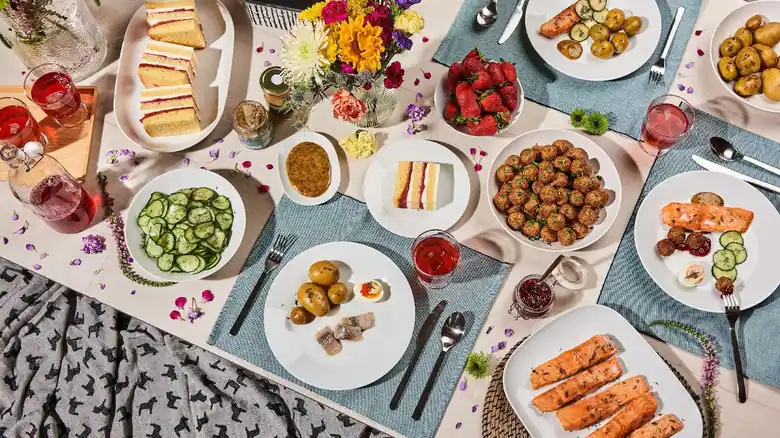
In an age where fast meals and digital communication dominate daily life, the simple act of sharing a meal still holds powerful social value. One tradition that beautifully reflects this idea is the Swedish concept of bjudlunch. More than just an invitation to eat, it represents warmth, inclusion, and intentional connection. Whether hosted at home or in a casual setting, this style of lunch focuses on comfort, balance, and meaningful interaction rather than formality. Understanding how to plan and host such a gathering can transform an ordinary midday meal into a memorable social experience.
Understanding the Concept of Bjudlunch
The term bjudlunch comes from Swedish and directly translates to “invite for lunch.” While the literal meaning is simple, its cultural significance runs deeper. It refers to a friendly, relaxed lunch invitation where the emphasis is placed on hospitality and conversation rather than elaborate food preparation. This type of gathering values presence over perfection, making guests feel welcome without pressure. It is commonly used among friends, colleagues, and neighbors as a way to strengthen relationships in an informal yet thoughtful manner.
The Social Value of Hosting a Friendly Lunch
Hosting a lunch gathering creates space for connection that feels natural and unforced. A midday meal allows people to come together without the time constraints or expectations often associated with evening events. A well-planned bjudlunch encourages open conversation, eases professional boundaries, and helps build trust. It is especially effective in workplace or community settings, where shared meals can foster collaboration and mutual understanding. The relaxed nature of lunch makes it easier for guests to engage authentically.
Setting the Right Atmosphere
The tone of the gathering should be decided early, as it influences every other detail. A friendly lunch thrives on simplicity and comfort. Natural lighting, uncluttered table settings, and soft background music help create a welcoming environment. The goal is to make guests feel at ease rather than impressed. Seating arrangements should promote conversation, and the space should feel open and accessible. When the atmosphere is calm and inviting, guests are more likely to relax and enjoy the experience.
Choosing the Guest List and Timing
A successful lunch gathering depends heavily on thoughtful planning. Keeping the guest list small ensures that conversations flow easily and no one feels overlooked. Groups of three to six people tend to work best. Timing is equally important. Lunch events typically last between one and two hours, which makes them ideal for weekdays as well as weekends. Communicating the start and end time clearly shows respect for guests’ schedules and helps the gathering feel well-organized without being rigid.
Planning a Balanced and Practical Menu
The menu should reflect the spirit of the gathering: uncomplicated, nourishing, and flexible. A single main dish that can be prepared in advance works best, supported by a couple of complementary sides. Fresh salads, roasted vegetables, or simple grain dishes provide balance without adding stress. Desserts should be light and easy to serve, such as fruit-based options or simple baked goods. When planning a bjudlunch, it is important to consider dietary preferences and allergies, offering options that allow everyone to feel included.
Preparation and Organization Tips
Good preparation is the foundation of a relaxed hosting experience. Spreading tasks over several days helps avoid last-minute pressure. Shopping early, preparing sauces or dressings ahead of time, and setting the table in advance can significantly reduce stress on the day of the event. On the day itself, focusing on final touches rather than major cooking allows the host to remain present and attentive. A calm host sets the tone for a calm gathering.
Serving Style and Guest Experience
Family-style serving is particularly well-suited for a friendly lunch. Sharing dishes encourages interaction and creates a sense of togetherness. It also allows guests to choose portions according to their preferences. Providing clear serving utensils and keeping dishes within easy reach helps the meal flow smoothly. Small welcoming touches, such as offering water or a light snack upon arrival, help guests settle in comfortably and feel appreciated from the start.
Drinks and Midday Refreshments
Beverages should complement the relaxed midday mood. Water infused with fruit or herbs, iced tea, or light non-alcoholic options are ideal choices. If alcohol is offered, it should be minimal and optional, with equal attention given to non-alcoholic alternatives. The goal is refreshment rather than indulgence. Thoughtful drink options enhance the experience without distracting from conversation and connection.
Cultural Etiquette and Considerations
Understanding cultural expectations adds depth to the hosting experience. In Swedish culture, punctuality is valued, and clear communication is appreciated. Guests typically respect the host’s effort by arriving on time and offering simple courtesies, such as helping clear dishes or expressing gratitude afterward. When hosting a bjudlunch, clear guidance about expectations, such as whether guests should bring anything, helps everyone feel comfortable and prepared.
Why This Tradition Remains Relevant Today
Despite changing lifestyles, the appeal of shared meals remains timeless. A bjudlunch fits seamlessly into modern routines by offering connection without excess. It aligns with contemporary values of mindfulness, balance, and intentional living. As people seek meaningful interactions beyond screens and schedules, this simple lunch tradition provides a practical and rewarding way to reconnect with others.
Conclusion
A friendly lunch invitation may seem small, but its impact can be lasting. Through thoughtful planning, simple food, and genuine hospitality, a bjudlunch creates space for connection and comfort in everyday life. It proves that meaningful gatherings do not require extravagance, only care and intention. By focusing on people rather than perfection, hosts can create experiences that guests remember long after the table is cleared.
Frequently Asked Questions
What does bjudlunch mean in simple terms?
It refers to inviting someone to share a casual, friendly lunch with a focus on hospitality and conversation.
Is a bjudlunch formal or informal?
It is informal by nature, designed to feel relaxed, welcoming, and pressure-free.
How long should a bjudlunch last?
Most lunch gatherings last between one and two hours, depending on the setting and guest availability.
What type of food is best for a bjudlunch?
Simple, balanced dishes that can be prepared in advance and easily shared work best.
Can a bjudlunch be hosted in a professional setting?
Yes, it is commonly used in workplaces to encourage team bonding and open communication.

Saqlain is a finance and blockchain writer with 5+ years of experience covering cryptocurrency, digital assets, and emerging fintech trends. He simplifies complex financial and Web3 topics, helping readers stay informed and make smarter decisions in a fast-evolving digital economy.